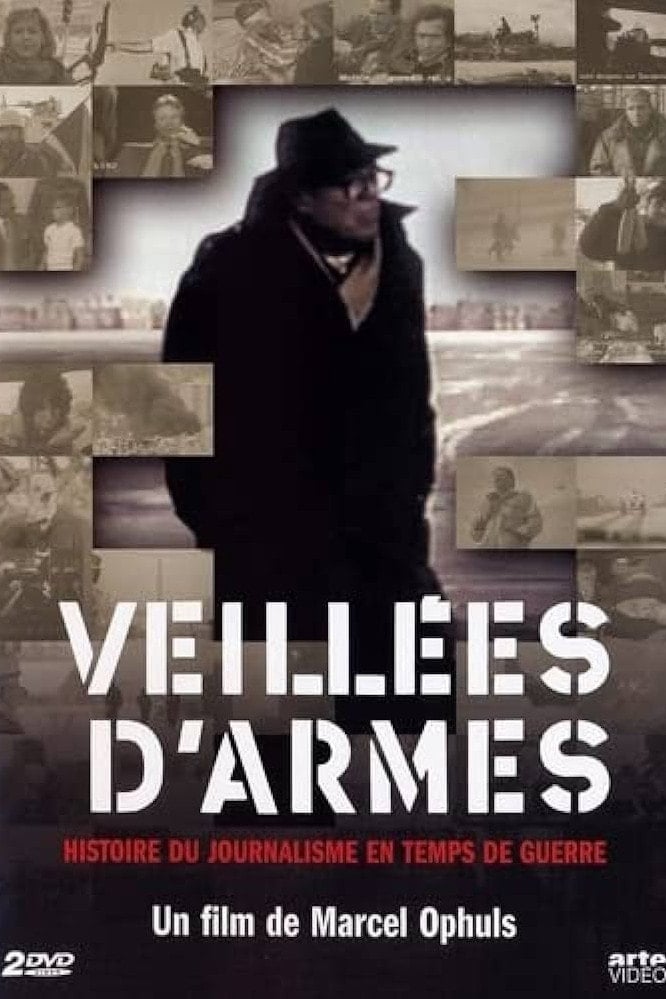
Au cours de deux voyages a Sarajevo, Marcel Ophuls a filmé et interviewé des journalistes et autres correspondants de guerre, s’interrogeant avec eux sur le traitement de l’actualité par les medias et sur l’éthique de la profession.[1]
Distribution 68
- Christiane AmanpourSelf
- Paul AmarSelf
- Sergio ApollonioSelf
- Isabelle BaillancourtSelf
- Nigel Bateson
- Martin Bell
- Eric Bouvet
- Zrinka Bralo
- Mira Bogdanovic
- Fouad Bouzadjic
- Hilary Brown
- John BurnsSelf
- Hervé ChabalierSelf
- Patrick Chauvel

- Michèle Cotta

- Walter Cronkite
- Patrick Poivre D’ArvorSelf

- Paul-Marie de la Gorce
- Jean-François Deniau

- Gérard de Villiers

- François-Henry de Virieu
- Patrice du Tertre
- Jon Duncanson
- Alain Finkielkraut

- Martha GellhornSelf
- Eric Gilbert
- Romain Goupil

- Antoine Gyori
- Amir Abbas Hoveyda
- Alija Izetbegovic
- Radovan Karadzic
- Georges Kiejman
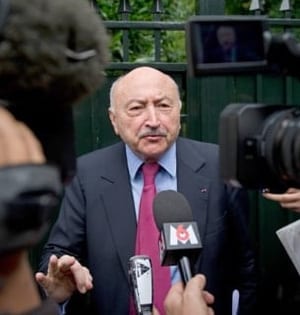
- Mohamed Kisliakovic
- Gordana Knezevic
- Philip Knightley
- Mufid Lazovic
- Jean-Jacques le Garrec
- Nikola Koljevic
- Vera Kordic
- Bernard KouchnerSelf

- Alain Lamassoure
- Martine Laroche-Joubert
- Bernard-Henri Lévy
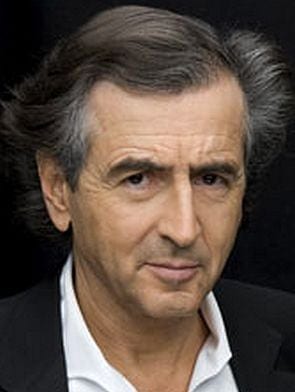
- Stéphane Manier
- Paul Marchand
- Ursula Meissner
- José María Mendiluce
- Jacques Merlino
- Heinz Metlitzky
- Slobodan MilosevicSelf
- Philippe Morillon
- Vlado Mrkic
- Philippe NoiretSelf

- Christine Ockrent

- Maurice Olivari
- Rémy Ourdan
- Pierre Peyrot
- Bernard Pivot

- Edwy Plenel
- Andrew Reid
- Philippe Séguin
- John Simpson
- Eddy Stephens
- Michel Touron
- Nermin Tulc
- Simone Weil
- Lidia Zulumovic
- Marcel OphülsSelf

Équipe technique
- Réalisation
- Marcel Ophüls
- Scénario
- Marcel Ophüls
- Image
- Pierre Boffety, Pierre Milon
- Montage
- Sophie Brunet
- Son
- Michel Faure
- Production
- Frédéric Bourboulon, Bertrand Tavernier
Affiches 2
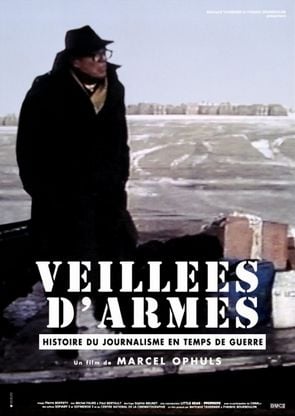
Fiche technique
- Sortie en salle
- 23 novembre 1994[1]
- Pays
- Allemagne, Angleterre, France, Royaume-Uni
- Couleur
- Couleur[1]